
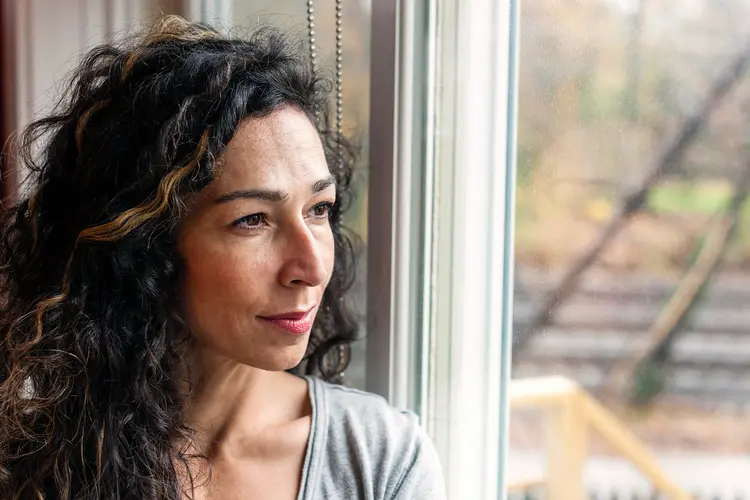
Embracing the Change: A Positive Journey Through Menopause
For many women, menopause marks a significant life transition—one that comes with physical, emotional, and psychological shifts. While it’s often portrayed with a sense of dread, it can also be a period of growth, empowerment, and renewal. This was certainly the case for Lisa Montgomery, a 52-year-old graphic designer from Oregon, who discovered unexpected strength and self-awareness during her menopause journey.
“I used to fear menopause,” Lisa admits. “Hot flashes, mood swings, insomnia—I’d heard all the horror stories. But no one told me it could also be a time of liberation.”
Lisa began experiencing perimenopause symptoms in her late 40s. At first, the irregular periods and fatigue were confusing and sometimes frustrating. But instead of viewing them solely as a burden, she decided to treat this phase as an invitation to slow down and tune in to her body’s needs.
“I realized my body was asking for more rest, better nutrition, and above all, compassion,” she says. “So I started listening.”
She revamped her diet, incorporating more whole foods and cutting back on caffeine. She took up yoga and daily walks—not just for exercise, but to quiet her mind. She also found a supportive community of women who were navigating similar changes, which proved to be an invaluable source of encouragement.
Most importantly, menopause gave Lisa permission to prioritize herself. “I’ve always taken care of others—my kids, my job, my parents. But menopause taught me to finally put myself on the list.”
Now on the other side of the transition, Lisa describes this chapter of life as her “second bloom.” Her sleep has improved, her energy has returned, and her self-confidence has never been stronger.
“Menopause doesn’t mean fading away,” Lisa says with a smile. “It means becoming who you were always meant to be—without apologies.”
Her story is a reminder that menopause, while challenging at times, can also be a powerful moment of transformation. With the right support, mindset, and self-care, it can be embraced not as an ending, but as a vibrant new beginning.