
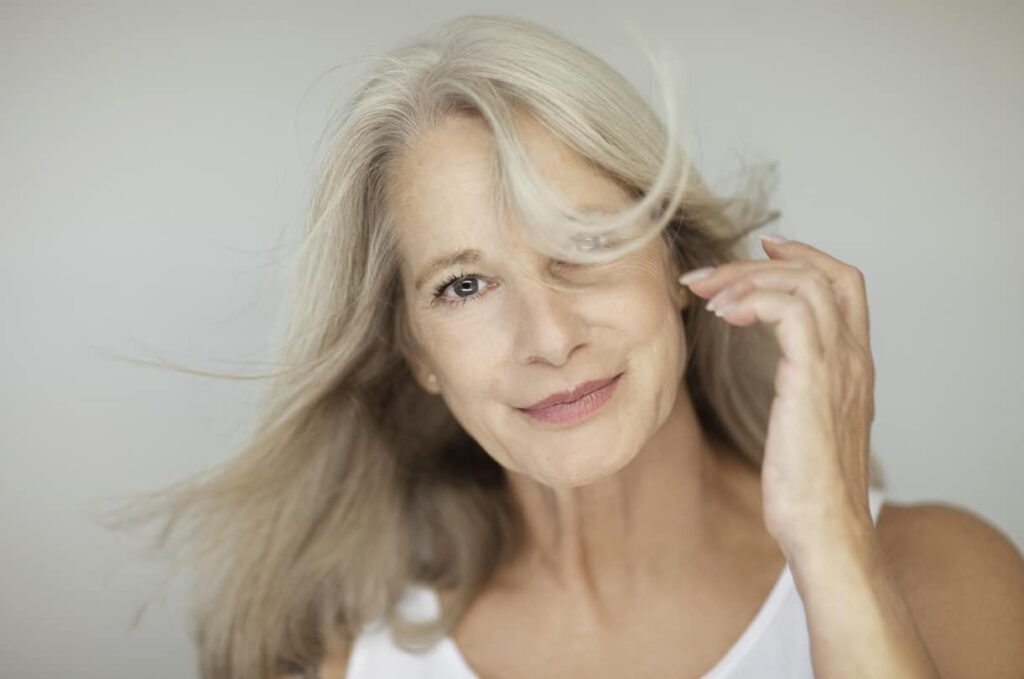
Menopause is a significant transition in a woman’s life, marked by various physical and hormonal changes. One area where these changes are particularly noticeable is the skin and hair. Understanding how menopause affects these aspects can help women take proactive steps to maintain their appearance and health. In this blog, we will explore the impact of menopause on skin and hair, the underlying causes, and practical tips for managing these changes.
Understanding Hormonal Changes
During menopause, the ovaries gradually reduce their production of estrogen and progesterone, the primary hormones responsible for regulating the menstrual cycle and maintaining various bodily functions. Estrogen, in particular, plays a crucial role in maintaining skin and hair health. As estrogen levels decline, several changes can occur, affecting the skin’s elasticity, hydration, and the hair’s growth cycle and texture.
Impact on Skin
- Loss of Elasticity and Firmness – Estrogen helps to stimulate the production of collagen and elastin, proteins that provide structure and elasticity to the skin. With decreased estrogen levels, collagen production slows down, leading to a loss of skin elasticity and firmness. This can result in sagging skin, particularly around the jawline, neck, and cheeks.
- Increased Dryness – Estrogen also plays a role in maintaining the skin’s moisture levels. As estrogen declines, the skin’s natural oil production decreases, leading to dryness and a rough texture. This dryness can be exacerbated by environmental factors such as cold weather, low humidity, and harsh soaps or skincare products.
- Thinning Skin – The decline in estrogen can cause the skin to become thinner and more fragile. Thinner skin is more prone to bruising, tearing, and developing fine lines and wrinkles. It also becomes less effective at serving as a barrier against environmental damage and infections.
- Increased Sensitivity and Irritation – Hormonal changes can make the skin more sensitive to irritants, leading to redness, itching, and inflammation. Women may find that their skin reacts more strongly to products or treatments that were previously well-tolerated.
- Age Spots and Hyperpigmentation – As the skin ages, it can develop dark spots and hyperpigmentation, particularly in areas frequently exposed to the sun. The decline in estrogen can exacerbate this process, leading to more pronounced age spots and uneven skin tone.
Impact on Hair
- Hair Thinning and Loss – Just as estrogen supports skin health, it also plays a crucial role in maintaining hair density and growth. The decline in estrogen during menopause can lead to hair thinning and increased hair loss. Women may notice a reduction in the overall volume of their hair, with thinning occurring primarily at the crown and temples.
- Changes in Hair Texture – Hormonal changes can also affect the texture of the hair. Some women may find that their hair becomes drier, more brittle, and prone to breakage. Conversely, others may experience changes in hair oiliness, with previously dry hair becoming greasier.
- Slower Hair Growth – The hair growth cycle is influenced by estrogen levels. As these levels decline, the growth phase of the hair cycle shortens, resulting in slower hair growth and longer periods between hair regrowth.
- Increased Facial Hair – While scalp hair may thin, some women experience an increase in facial hair growth during menopause. This is due to the relative increase in androgens (male hormones) as estrogen levels decline. Women may notice more hair on their chin, upper lip, and jawline.
Managing Skin and Hair Changes During Menopause
Although the changes brought about by menopause are natural, there are several strategies women can adopt to manage their skin and hair health effectively.
- Skincare Tips
- Hydration: Keep the skin well-hydrated by using moisturizers that contain hyaluronic acid, glycerin, or ceramides. These ingredients help retain moisture and improve the skin’s barrier function.
- Sun Protection: Protect the skin from sun damage by using a broad-spectrum sunscreen with an SPF of 30 or higher. Sun protection can prevent further collagen breakdown and reduce the risk of hyperpigmentation.
- Gentle Cleansing: Use gentle, fragrance-free cleansers to avoid stripping the skin of its natural oils. Avoid hot water and harsh scrubbing, which can exacerbate dryness and irritation.
- Anti-Aging Treatments: Consider incorporating anti-aging products such as retinoids, peptides, and antioxidants into your skincare routine. These ingredients can help stimulate collagen production, improve skin texture, and reduce the appearance of fine lines.
- Hair Care Tips
- Gentle Hair Care: Use gentle shampoos and conditioners designed for thinning or aging hair. Avoid over-washing and minimize the use of heat styling tools, which can further damage fragile hair.
- Hair Growth Treatments: Consult with a healthcare provider about hair growth treatments such as minoxidil, which can help stimulate hair regrowth and improve hair density.
- Healthy Diet: Maintain a balanced diet rich in vitamins and minerals that support hair health, such as biotin, vitamin E, and omega-3 fatty acids. Consider supplements if needed, but always consult with a healthcare provider first.
- Regular Trims: Regular hair trims can help manage split ends and keep hair looking healthy and neat.
- Professional Treatments
- Dermatologist Consultations: Regular visits to a dermatologist can help address specific skin concerns and provide personalized treatment options. Dermatologists can offer treatments such as chemical peels, laser therapy, and microneedling to improve skin texture and appearance.
- Hair Specialists: Consult with a trichologist or dermatologist specializing in hair loss for personalized advice and treatment options. They can recommend treatments such as PRP (platelet-rich plasma) therapy or hair transplantation for more severe cases of hair loss.
- Lifestyle Changes
- Hydration: Drink plenty of water to keep your skin and hair hydrated from the inside out.
- Healthy Diet: A diet rich in fruits, vegetables, lean proteins, and healthy fats can provide the necessary nutrients for skin and hair health.
- Stress Management: Practice stress-reducing techniques such as yoga, meditation, or regular exercise. Stress can exacerbate skin and hair issues, so managing it effectively is crucial.
Menopause brings about significant changes in a woman’s skin and hair due to the decline in estrogen levels. While these changes are natural, they can be managed effectively with the right skincare and hair care routines, healthy lifestyle choices, and professional treatments. At Womens Wellness MD, we are dedicated to supporting women through this transition with comprehensive care and personalized advice. By understanding and addressing these changes, women can maintain their confidence and embrace the new phase of their lives with grace and resilience.